When the days grow shorter, coloring finds its natural season. Evenings start earlier, the light fades by dinnertime, and a quiet hour with a page and a cup of something warm feels exactly right. Fall and winter also offer some of the richest color themes of the year, from glowing maple leaves to the soft blues and silvers of a snowy morning.
These fall and winter coloring ideas gather cozy palettes, seasonal and holiday subjects, and a few small projects that turn coloring into a seasonal habit.
In short
- Fall: warm brights, earthy middles, deep darks and one cool contrast.
- Winter: icy lights, cool middles, deep darks and one warm accent.
- Shape snow with pale blue and lavender shadows; leave most of it white.
- Holidays bring ornaments, snowflakes and cards to color and share.
- Close the year with a small New Year coloring project.
A fall palette that glows
Autumn colors are warm, earthy and slightly muted. The trick to making them glow is to mix bright and dull tones on the same page.
- Golden yellow
#F2B630leaf tips - Pumpkin orange
#E8792Bwarm brights - Brick red
#A63D2Adeep leaves - Olive green
#7A7A3Aearthy middle - Chocolate brown
#5A3A22branches, shadows - Dusty blue
#7C93A8one cool contrast
That single cool color is important. A page made only of warm tones can feel heavy; a hint of blue in the sky or a gray shadow under a pumpkin makes the warm colors look even warmer. Our guide to choosing a color palette explains why this contrast works.
Fall subjects to look for
- Leaves: maple, oak and ginkgo leaves are perfect for practicing gradients from yellow to red.
- Harvest scenes: pumpkins, apples, baskets and market stalls.
- Woodland animals: foxes, owls, hedgehogs, squirrels and deer.
- Cozy still lifes: mugs, candles, knitted scarves and stacks of books.
- Mandalas with seasonal motifs: acorns, pinecones and leaves arranged in rings.
Color an autumn leaf
- Start at the stem. Lay golden yellow over the whole leaf with light pressure.
- Warm the edges. Add orange from the tips inward, stopping halfway.
- Deepen the tips. Touch brick red at the very edges and blend back into the orange.
- Keep the veins light. Color around them, or press them gently with a pale pencil first.
No two leaves on a tree are the same color, so vary them freely. For rounder subjects like pumpkins and apples, our guide to shading coloring pages shows how to make them look full.
A winter palette that feels crisp
Winter palettes lean cool and calm. Snow is never pure white on a finished page; it is shaped with very light blues, lavenders and grays.
- Pale blue
#D6E6F2snow shadows - Lavender
#C9C0E0soft shade - Periwinkle
#8C9AD6cool middle - Pine green
#2E5A4Aevergreens - Navy
#1F2E4Fnight sky - Cranberry red
#A8243Cone warm accent
The single warm accent brings the page to life. A red scarf, a lit window or a string of golden lights against a blue snowy scene is one of the most satisfying contrasts in coloring.
Winter subjects and how to color snow
- Snowflakes and frost patterns, which are natural mandalas: see how to color mandalas.
- Snowy forests with evergreen trees and quiet paths.
- Winter birds and animals: cardinals, owls, foxes in the snow, polar bears.
- Cozy interiors: fireplaces, mittens, hot drinks and blankets.
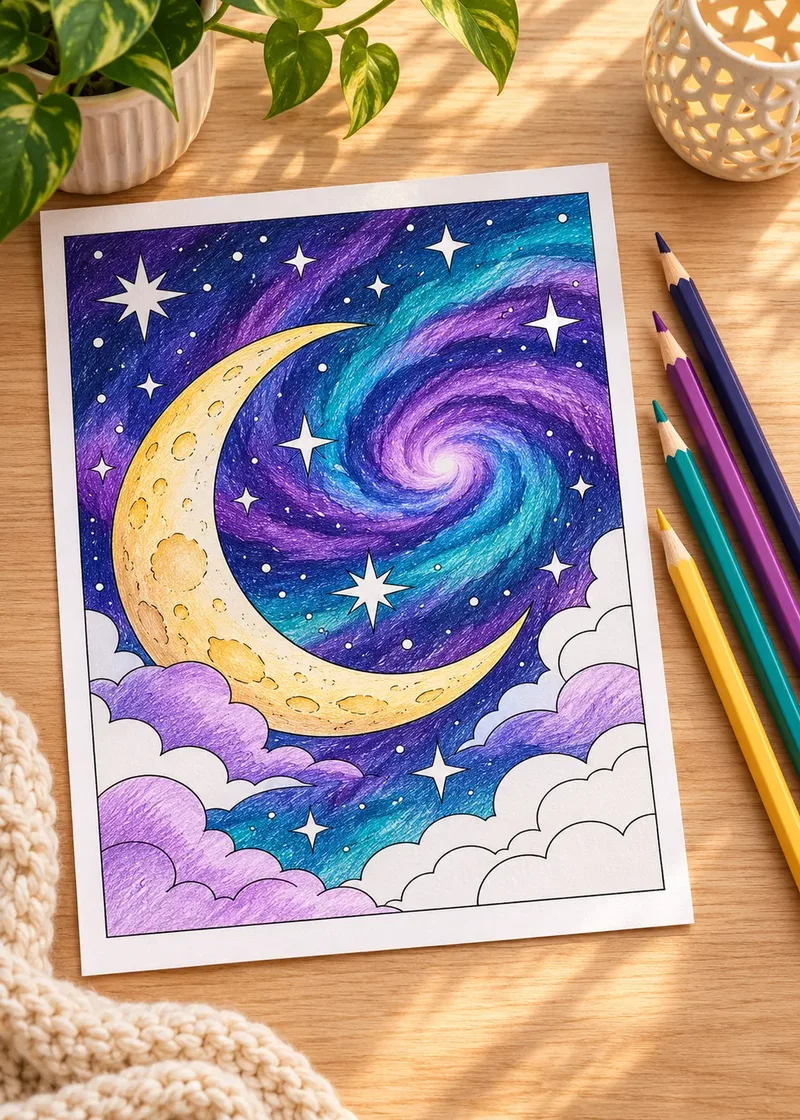
- Night skies with stars and a bright moon over snowy hills.
To color snow, leave most of it white and add pale blue or lavender only in the shadows: under branches, on the side of a drift away from the light, in footprints. A white gel pen adds a few sparkles at the end. For night scenes, the space and night sky color palettes work beautifully, and our guide to coloring backgrounds helps with a dark sky behind white snow.
Let the paper be the snow
Plan where the snow goes before you start and color around it. White paper is brighter than any white pencil, so the less you cover, the crisper the snow.
Holiday coloring ideas
The winter holidays add their own cheerful subjects, whatever you celebrate:
- Ornaments: baubles are perfect circles for practicing highlights; leave a small white spot on each.
- Snowflake garlands: color several snowflakes in two or three colors, cut them out and string them up.
- Wreaths and evergreen branches with berries and ribbons.
- Candles and lights glowing against a dark window.
- Gift tags and cards: color a small design and glue it to card stock.
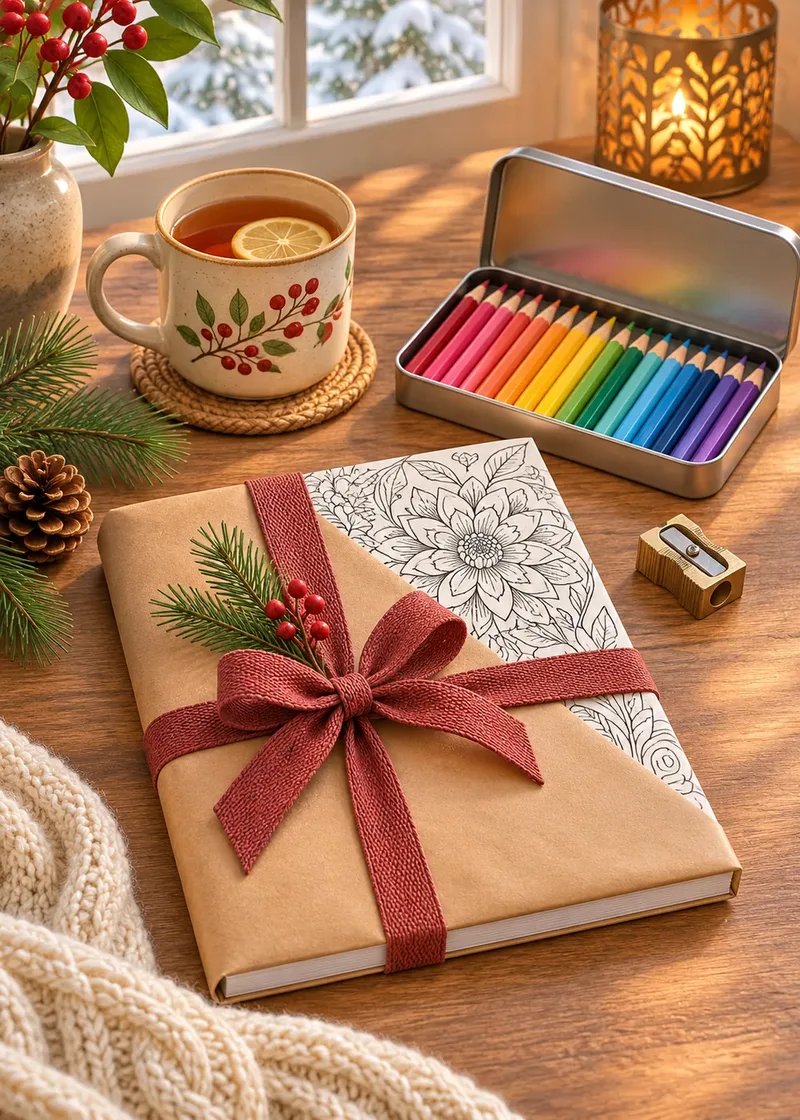
Coloring also makes a thoughtful gift for the colorist in your life; our guide to gifts for adult colorists has ideas that work any time of year.
Seasonal projects to try
A leaf a day. Color one small part of a seasonal page each evening. By the end of the month, you have a finished page and a gentle routine.
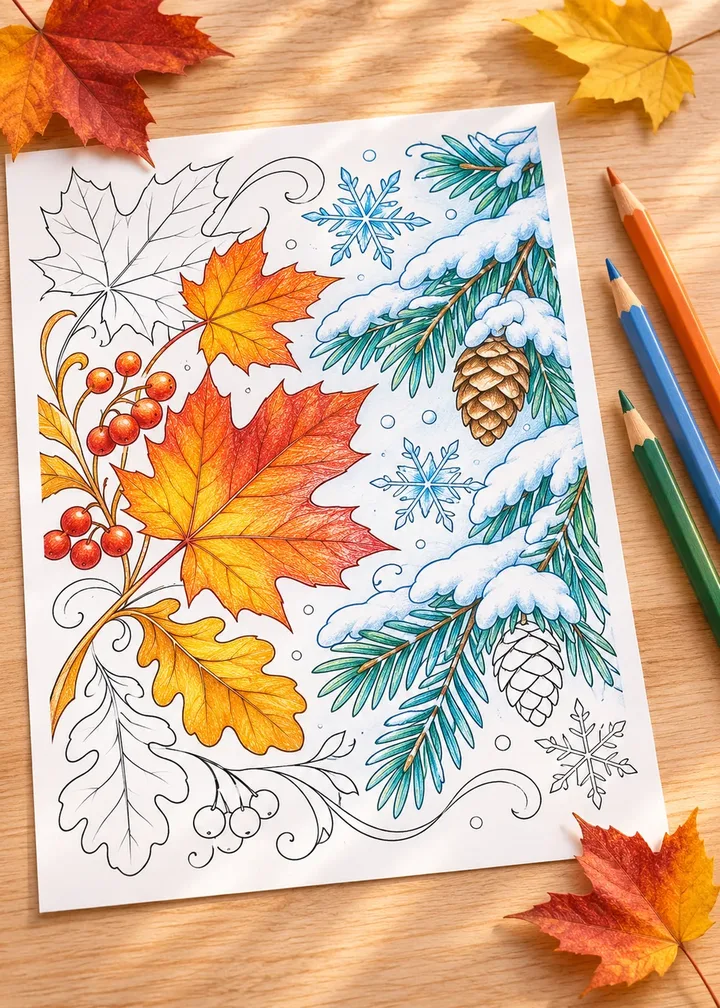
One page, two seasons. Print the same design twice. Color one in a fall palette and the other in a winter palette, then display them side by side to see how much color changes the mood.
Window decorations. Color snowflakes or leaves on regular paper, cut them out and tape them to a window. Light from outside makes the colors glow.
A seasonal coloring corner. Set up a spot with a lamp, a blanket and your pencils. Our guide to a relaxing evening coloring routine has ideas for making it inviting.
A New Year coloring project
The quiet days around the New Year are a lovely time to start something small. Pick one page a week for the coming month, or color a mandala ring by ring, one ring per evening, through the first week of January. On New Year’s Day, color a seasonal swatch card: a strip of the pencils you plan to use, labeled with the season. Next year, you will have a ready-made palette and a little record of how your taste in color has changed.
Coloring with family on long evenings
Fall and winter holidays bring people together, and coloring is easy to share across ages. Print a few different pages, from bold and simple to detailed, set out a shared box of pencils, and let everyone choose. Teens and adults can take on intricate designs while younger children color larger shapes nearby. Free printable coloring pages are handy here, since nobody waits for a turn with the book.
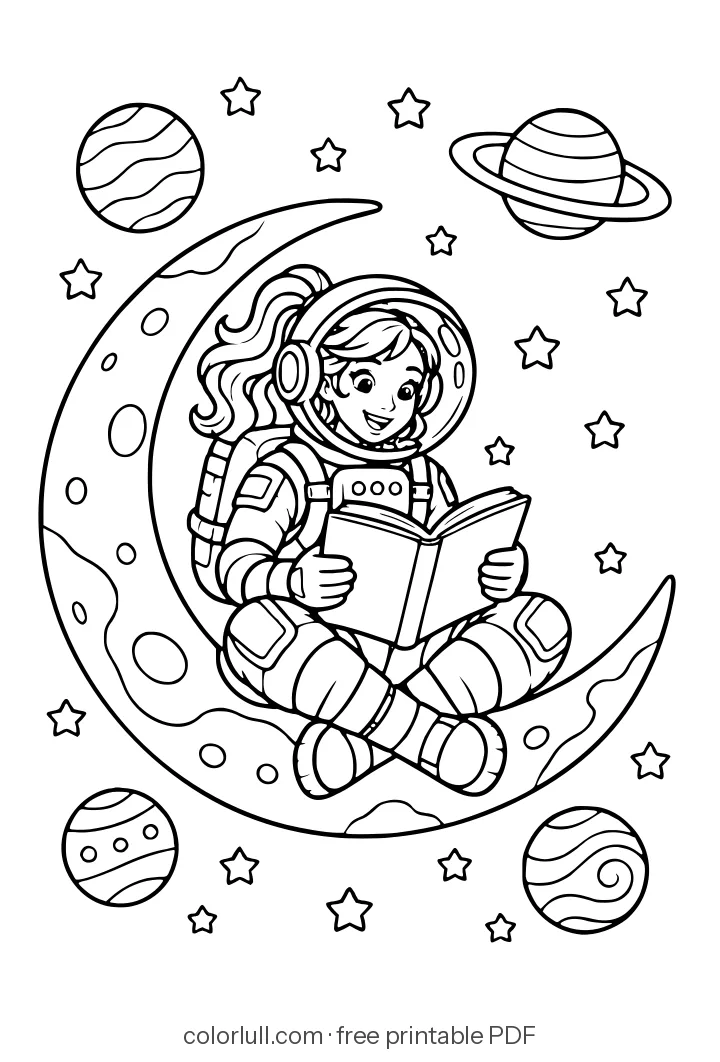
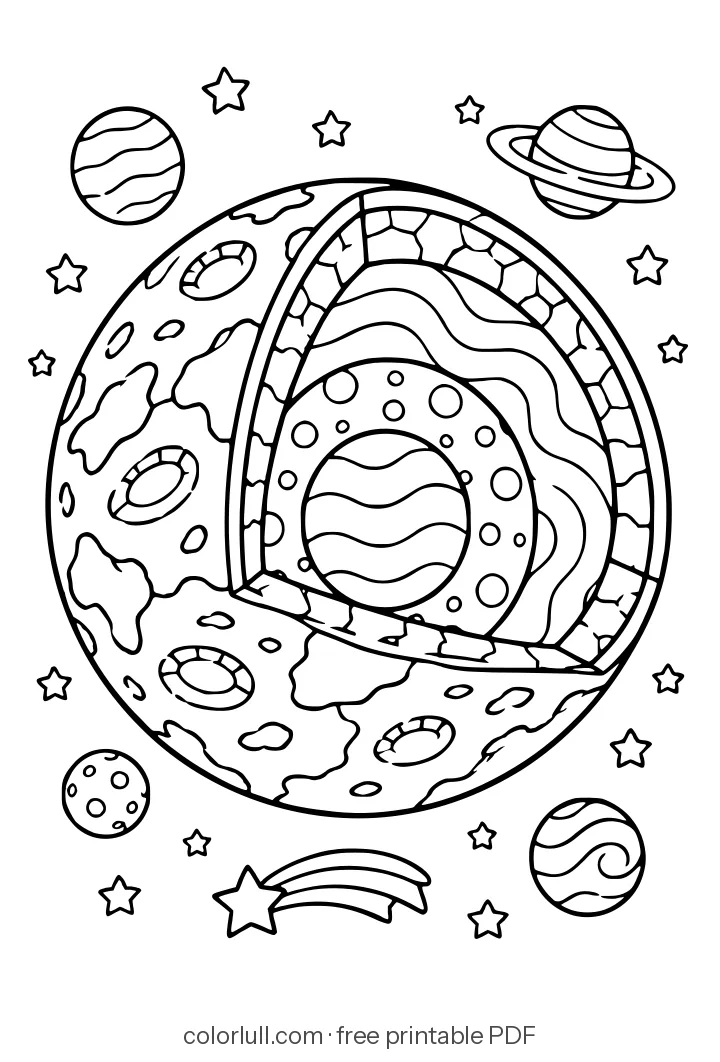
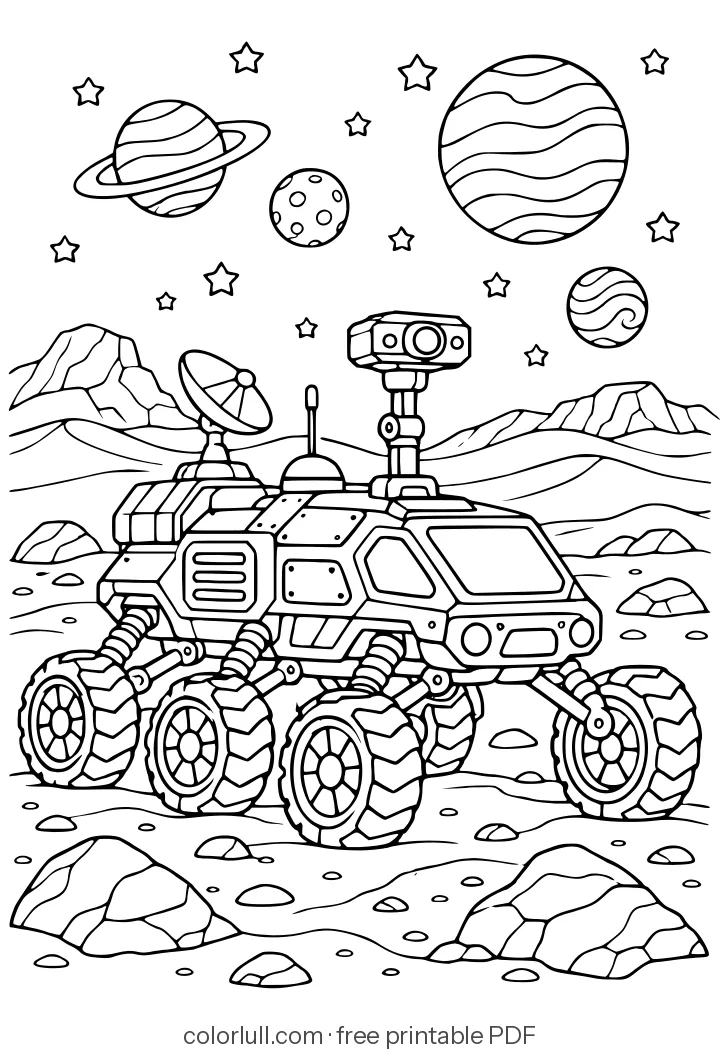
Winter nights are also the best time to look at the stars with kids. Our space coloring activities for kids pair stargazing with coloring, and parents shopping for the season will find tips in how to choose a coloring book for kids.
Frequently asked questions
What colors should I use for fall coloring pages?
Combine warm brights such as pumpkin orange and golden yellow with earthy middles like olive and mustard, deep darks like chocolate brown, and one cool color for contrast.
How do you color snow on a coloring page?
Leave most of the snow as white paper and add pale blue, lavender or light gray only in the shadows. A white gel pen can add a few sparkles at the end.
What are good winter coloring subjects?
Snowflakes, snowy forests, winter birds, cozy interiors with mittens and mugs, night skies and holiday ornaments all make lovely winter pages.
How can I make a winter page feel less cold?
Add one warm accent, such as a red scarf, a lit window or golden lights. Against cool blues, a single warm color stands out and warms the whole scene.
What can families color together over the holidays?
Print a mix of simple and detailed pages so everyone can choose, and turn the results into cards, gift tags or window decorations.
The colder months are made for slow, cozy coloring. Pick a palette that matches the view outside your window, and let the season guide your colors.